

As part of a wider effort, initiated by Resolution, London Chancery Lane Partner Graham Coy is campaigning to raise awareness about the lack of rights and legal protection for cohabitees should they ever separate.
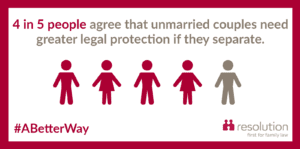
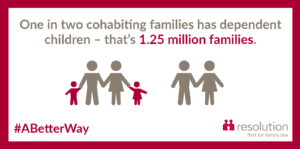
Finances, child arrangements and the family home are all at risk should they ever separate. It’s an issue that will most likely continue to grow, with more and more couples choosing to live together without marrying and in many cases having children too.

Resolution have advised that Saturday 18 August has been reported as the most common day in 2018 to tie the knot in the UK. However, since the early 1970s, the number of people actually getting married has steadily decreased, dropping a further 3.4% last year. There have been many theories about why marriage rates are falling, but regardless the fact remains that fewer people are formalising their relationship.

In 2016 there were 3.3m cohabiting couples or around 6.6million cohabiting adults. This is officially the fastest growing family type, more than doubling from 1.5million couples just 20 years ago. Yet, a 2017 ComRes survey showed that only one couple in three knew there was no such thing as common law marriage.
The issue is widespread, with nearly 98% of professionals from family justice group Resolution reported having worked with a cohabiting couple who they were unable to help. A further 90% said the couples are often surprised to find out about their lack of rights.
To help raise awareness of this issue Family Lawyer and Partner of Stowe Family Law’s London Chancery Lane office Graham Coy is campaigning to raise awareness and encourage cohabiting couples to take steps protect themselves and their families.
Graham explains: “If an unmarried couple breaks up, they will not necessarily be entitled to share in (what they thought were their) joint assets, such as a house they may have made significant financial contributions to, if the property is not jointly owned. This is the same regardless of how long they have been together or whether they have children. In addition, there is no ability for one of them, the financially weaker party, to claim maintenance.”
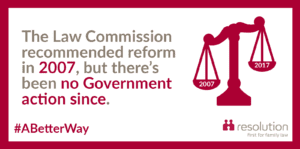
“The time has come for politicians, and the Government in particular, to act and protect those who find themselves in such vulnerable circumstances. Already, there is some legislative protection in Scotland and there should be no reason why people in similar situations in England Wales are left with no rights at all. Quite simply this is an injustice which needs to be put right now.
“For the time being, couples who are not married need to know that they have no rights through “common law marriage”, so they can take appropriate steps to protect themselves. For example, putting property into joint names, setting out at the time of purchase what their individual shares are, and signing a cohabitation agreement which will provide what will happen if the relationship breaks down. These are easy and cost-effective ways to secure financial peace of mind without getting married or forming a civil partnership.”

Comments(2)
Expand all comments Collapse all comments